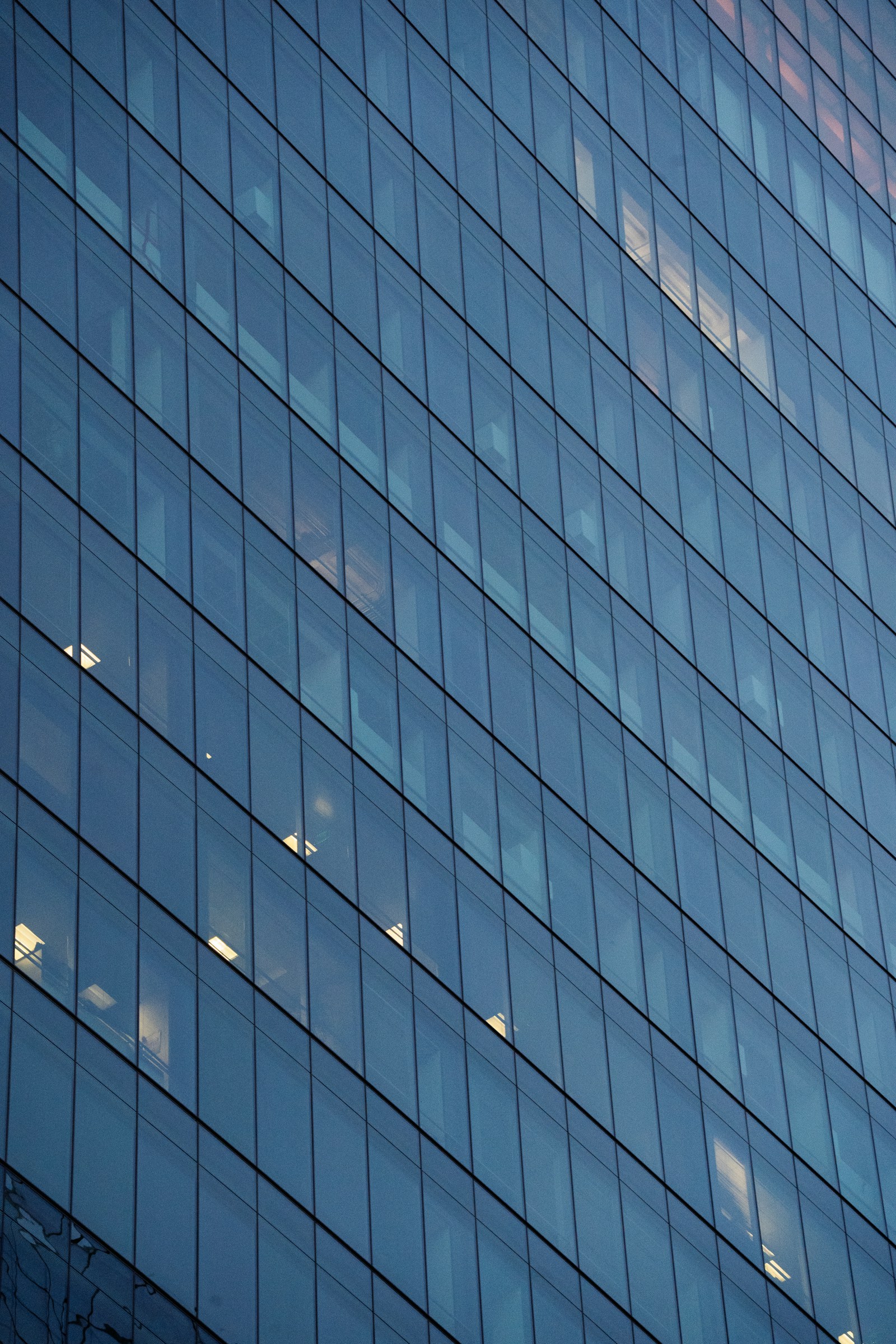
Build a baseline from each elevation's actual exposure
Start with repeatable observations instead of the date on the last invoice. Photograph broad elevations and selected panes from the same exterior and interior viewpoints after cleaning, then revisit them after ordinary dry weather, precipitation, and busy operating periods. Note loose dust, pollen, traffic film, bird residue, irrigation spotting, runoff beneath caps or ledges, and residue around frames. South and west faces often experience different sun and drying than north-facing recesses, but orientation is only one input. Overhangs, adjacent towers, trees, roof drainage, setbacks, construction, parking, and prevailing site conditions can outweigh a compass direction.
Classify the visible condition before setting the interval. Loose film that responds to a maintenance rinse supports one schedule. Bonded mineral scale, sealant transfer, paint, concrete residue, scratches, failed coatings, or haze inside an insulating unit require a different decision. Denver Water reports that local water ranges from soft to moderately hard and varies with source and season, so source-water mineral content belongs in the review without becoming the explanation for every mark. Existing deposits may come from irrigation, runoff, or earlier cleaning and can remain after a purified-water rinse.
- Photograph every elevation from consistent customer and tenant viewpoints.
- Track irrigation, ledge runoff, traffic, landscaping, construction, and bird activity.
- Separate removable surface soil from bonded deposits and material conditions.
- Record how long each zone retains the agreed appearance after service.
Let property use determine the shortest service interval
Presentation glass is usually the first zone to need attention. Lobby doors, vestibules, restaurant windows, retail storefronts, leasing offices, showroom panes, and street-level hotel glass are touched and judged from a few feet away. Onsite staff or a direct window-cleaning provider may need to handle these areas frequently, regardless of how clean the upper facade remains. Loading doors and service glass can tolerate a different appearance standard unless food operations, safety, or another operational concern calls for closer attention.
Upper glass follows the business consequence of visible soil. A hotel may prioritize guest-room views and the arrival elevation before a conference. An office property may focus on occupied tenant views, tours, and broad street presentation. A healthcare or institutional site may need service sequenced around patients, appointments, classes, or secure access. Multifamily and mixed-use properties add residents, balconies, deliveries, and retail tenants. Frequency should reflect where dirty glass affects confidence, use, or leasing presentation, while the work window must still allow the selected method to operate without disrupting the people the property serves.
Use Denver districts as context, not as a fixed schedule
Downtown and the Golden Triangle contain offices, civic properties, hotels, residences, and cultural destinations with active sidewalks and varied tower forms. LoDo and Union Station combine historic facades, newer glass, restaurants, hospitality, residences, transit, and event-related foot traffic. RiNo and Five Points include converted industrial buildings, new mixed-use construction, rail and roadway exposure, alleys, and active neighboring projects. These conditions can increase dust or complicate access for a period, but they do not prove that every nearby building needs the same monthly or quarterly service.
Cherry Creek's close-view retail and hospitality glass can be presentation-driven, while Colorado Boulevard properties may include offices, medical uses, hotels, and roadside elevations. Central Park has newer mixed-use centers, lodging, office or campus settings, and larger parking patterns. Properties near I-70, Globeville, and Elyria-Swansea can have industrial, freight, rail, construction, and roadway interfaces unlike a protected neighborhood courtyard. These examples help a manager list exposures and operating constraints. The actual interval must still come from the parcel, facade orientation, use, desired finish, and observed resoiling.
- Treat entrance, street, courtyard, parking, roof, and upper-tower glass as separate zones.
- Account for tenant schedules, transit, events, deliveries, and neighboring construction.
- Shorten an interval temporarily when a known project or seasonal exposure changes conditions.
- Return to observed resoiling before making a temporary frequency permanent.
Layer inspections, rinsing, contact cleaning, and restoration
A practical program does not need one whole-building cleaning interval. Inspect close-view presentation glass as often as property operations require and have the responsible team correct fingerprints, splashes, and obvious spots promptly. Review upper elevations from repeatable viewpoints each month or quarter without assuming that every review triggers service. Schedule a maintenance rinse when broad loose film crosses the accepted appearance threshold. Plan contact cleaning when agitation, squeegee work, or edge detail is required. Move bonded deposits into a tested restoration scope rather than repeatedly purchasing a rinse that cannot remove them.
For budgeting, a property might test semiannual upper maintenance and then adjust by elevation after the first cycle. A road-facing or irrigation-affected side may need a shorter interval; a sheltered upper field may remain acceptable longer. Those are starting hypotheses, not Denver-wide recommendations. Event preparation, tenant turnover, nearby construction, or an unusual weather period can justify targeted work outside the normal cadence. The most efficient schedule responds to visible need before conditions become difficult, while avoiding unnecessary full-building mobilizations when only the entrance or one elevation has changed.
Schedule around sun, wind, storms, and freezing surfaces
Denver's cleaning calendar has usable days in every season, but the workable hours can shift sharply. Direct sun and low humidity can speed drying and reveal source-water spotting or frame runoff before a large pass is complete. Wind can move rinse water away from the pane or toward entrances, vehicles, balconies, air intakes, and adjacent property. Thunderstorms and gust fronts can change an apparently calm day. A recurring program should define field triggers for reducing the work zone, changing sequence, switching methods, or rescheduling rather than forcing production because a date is on the calendar.
Freezing risk deserves its own check. National Weather Service Denver/Boulder resources include local frost and freeze probabilities, cold and snow statistics, and temperature records, all of which underscore why an average monthly condition cannot approve a service day. Shaded concrete can remain cold after sunny glass warms, and runoff can collect where it later freezes. The team should consider surface and air temperature, snow or ice onsite, drainage, shade, wind, drying time, and the forecast after work. When safe drying cannot be established, the interval moves; the building does not need to accept an ice risk to preserve a nominal quarterly schedule.
- Set weather and surface-condition limits for each access method.
- Sequence work around glare, rapid drying, shade, and changing wind.
- Inspect the complete runoff route for snow, ice, and cold low points.
- Record weather-related omissions so they are rescheduled instead of forgotten.
Include access cost and feasibility in the cadence
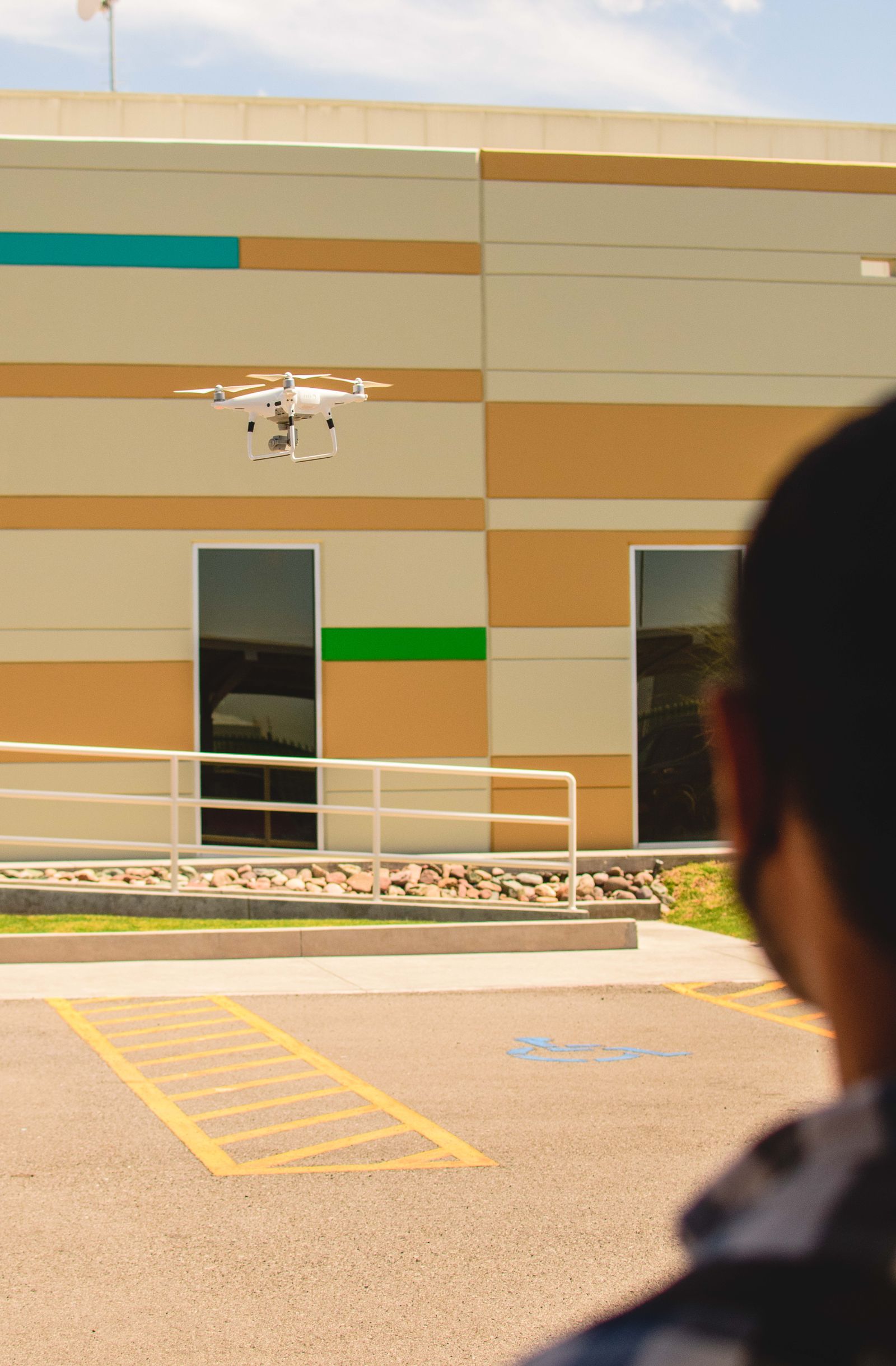
Ground-level detail can be frequent because mobilization is limited. Upper work is different. A lift needs delivery, suitable setup surfaces, clearance, reach, barriers, and space to reposition. Suspended or rope access requires the appropriate qualified provider and compatible building arrangements. Water-fed poles have practical height and geometry limits. Drone-assisted rinsing can reduce the need to place a platform at each compatible upper zone, but it still requires suitable airspace, weather, line of sight, launch and recovery space, water equipment, crew positions, and separation from people and vehicles.
The FAA requirements for commercial drone operations and controlled-airspace authorization apply to the proposed operation, not to a generic Denver service area. A building can also become unsuitable because of balconies, deep recesses, utility lines, neighboring activity, limited ground control, or wind around towers. That means a maintenance frequency should be paired with a primary and fallback access plan. If the required finish needs contact or the site cannot support remote delivery, the budget and calendar should reflect the method that can actually complete the work rather than relying on drone availability as a guarantee.
Turn the first cycle into a property-specific maintenance plan
Document the first service by zone: date, access method, water approach, finish expected, representative dry photos, conditions removed, conditions remaining, weather, interruptions, and exclusions. Review the same viewpoints at planned checkpoints. If west glass shows uneven drying residue quickly while a north courtyard remains clear, split their cadence. If lobby complaints return long before upper haze is visible, strengthen ground-level detail without remobilizing the entire facade. If the same mineral rings survive each rinse, stop repeating that method and obtain a contact-cleaning or restoration assessment.
Request a Denver commercial glass-maintenance quote with the address, floor count, elevation photos, priority customer views, current schedule, previous methods, known deposits, glass or coating information, water access, preferred service windows, and access history. Include upcoming events, tenant restrictions, active construction, irrigation exposure, operable windows, balconies, leaks, and damaged seals. Drone Building Cleaners can assess whether targeted high-access rinsing fits between detailed cleanings and build the proposal around real service zones. The aim is not to sell the most frequent calendar; it is to keep the property at its chosen presentation standard with the right work performed at the right time.