Choose the dry finish before choosing the delivery method
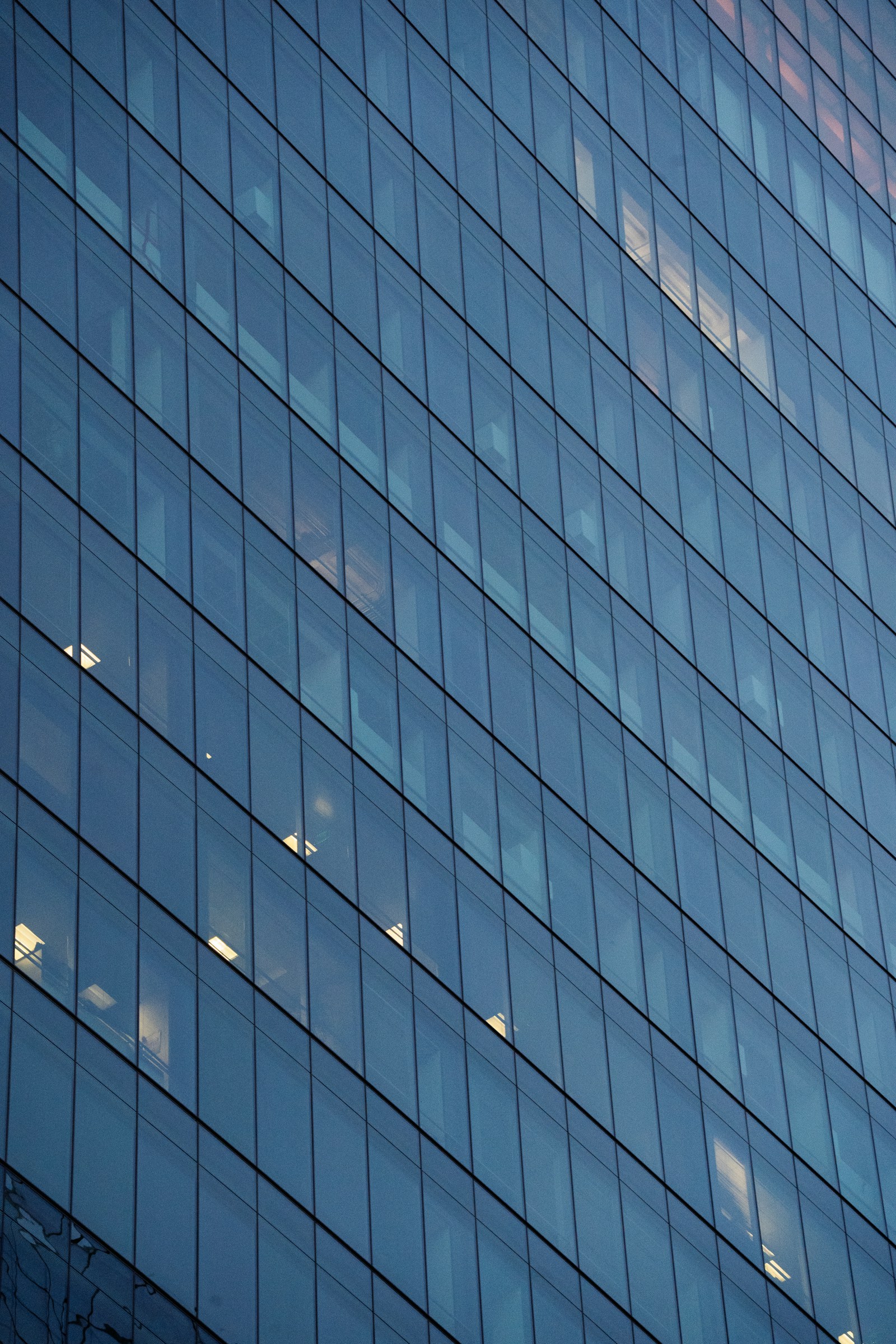
Commercial glass rinsing, contact window cleaning, and glass restoration produce different outcomes. A controlled rinse can remove compatible loose dust, pollen, and ordinary surface film from broad panes. It cannot squeegee edges, brush deep mullion pockets, scrape approved debris, detail corners, or feel whether a bonded deposit is releasing. Contact cleaning provides those close actions. Restoration is a separate process for mineral scale, concrete or mortar residue, silicone transfer, paint, oxidized runoff, etching, scratches, and other conditions that routine maintenance cannot correct. The quote should say which result is being purchased instead of placing every condition under the label of window washing.
The expected viewing distance matters. Upper office glass judged from the street may respond well to a maintenance rinse, while a hotel lobby, restaurant window, showroom, or tenant-facing terrace can demand close-detail clarity. A representative area should be reviewed after it is fully dry because water temporarily hides haze, deposits, frame streaks, and coating variations. That test can also reveal whether purified water, added agitation, or a different access method is needed. The written scope should identify the elevations, glass fields, frames or spandrels included, known coatings, operable windows, damaged areas, and conditions expected to remain.
- Define maintenance rinsing, contact cleaning, and restoration as separate results.
- Approve representative glass only after the test area has dried.
- Record coatings, tint, films, leaks, damaged seals, and operable units.
- Assign close-detail panes and bonded deposits to an appropriate method.
Diagnose Denver spotting before repeating the same cleaning
A white ring or cloudy patch does not identify its own source. Denver Water describes its supply as soft to moderately hard, notes that hardness can vary by season and source, and explains that the water tends to form scale. Tap water left to evaporate can therefore contribute dissolved-mineral residue, but it is only one possibility. Irrigation spray, rooftop equipment, facade runoff, precast or masonry leaching, metal runoff, previous cleaning chemistry, and deposits already bonded to the pane can produce different marks. Close inspection, maintenance history, water information, and controlled testing are more reliable than naming every spot hard water from the sidewalk.
Purified rinse water can reduce the minerals introduced during the new cleaning pass. It does not dissolve every older deposit and cannot reverse glass etching. Increasing pressure can push water toward seals or damage coatings, while aggressive chemistry can affect glass, metal, gaskets, stone, and nearby finishes. If a test leaves a bonded outline, rainbow haze, scratches, internal insulating-glass fogging, or runoff that immediately returns from the frame, the scope should change. The better recommendation may be contact mineral treatment, specialty restoration, frame detailing, repair evaluation, or acceptance that the visible condition is permanent.
Read Denver property types elevation by elevation
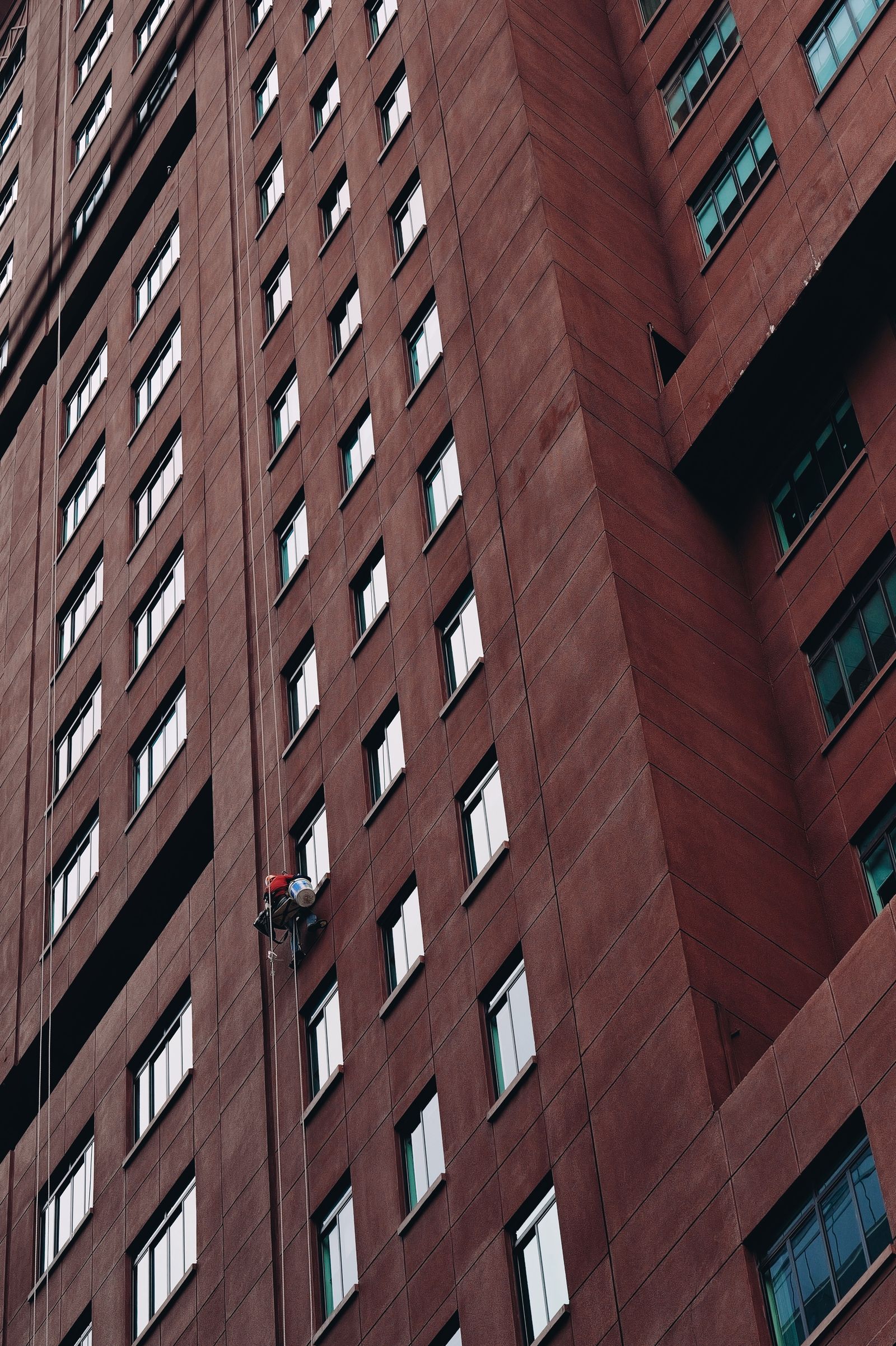
Downtown and the Central Business District include curtain-wall towers, plazas, podiums, loading approaches, light-rail interfaces, and active sidewalks. LoDo and Union Station mix newer glass buildings with historic or converted properties, punched openings, roof setbacks, restaurants, hotels, residences, and event traffic. RiNo and Five Points add mixed-use construction, former industrial buildings, murals, rail exposure, alleys, and changing neighboring work. Cherry Creek combines storefront presentation, offices, residences, hotels, landscaped setbacks, and continuous customer movement. These patterns help prepare questions, but they never replace inspection of the actual parcel.
The same address can contain several access jobs. A south or west glass face may be broad and sun-exposed, while a recessed north courtyard stays cool and gives the crew less line of sight. A street elevation can sit above pedestrians and parked vehicles; the rear may share an alley with deliveries, dumpsters, utilities, and garage access. Canopies, balconies, fins, signs, overhead lines, trees, roof equipment, adjacent construction, and mechanical intakes all affect stand-off distance and water control. Each zone needs its own method, staging area, work window, and exclusions rather than a single building-wide assumption.
- Separate street, alley, courtyard, plaza, roof, and setback work zones.
- Map entrances, deliveries, transit, parking, utilities, intakes, and neighboring uses.
- Check sight lines and water paths around fins, balconies, canopies, and ledges.
- Use a hybrid scope when one access method does not fit every elevation.
Treat wind and airspace as address-level constraints
A drone can be a practical delivery tool when it can maintain stable control, useful distance from the facade, visual line of sight, and a predictable spray path. It still needs a trained operating crew, launch and recovery space, water equipment, hose management where applicable, ground controls, and a response plan for changing conditions. Wind measured at grade can be a poor description of flow above a setback or along a corner. Nearby towers, open lots, roof edges, and street canyons can accelerate, redirect, or tumble air across the work face.
Commercial drone operations must be screened against current FAA requirements, including pilot and aircraft requirements, operating limitations, Remote ID where applicable, and airspace authorization when required. Denver International Airport is not the only aviation consideration in the metro area; the exact coordinates and planned altitude belong in the review. Property permission does not grant airspace access, control a neighboring parcel, or authorize use of a public sidewalk. Weather, airspace, people, vehicles, geometry, or loss of sight can make another access method the responsible choice. Feasibility is confirmed for the proposed operation, not promised from a city name or online photograph.
Work inside Denver's sun, wind, and freeze windows
Direct sun can heat glass and shorten the time available for water to sheet and dry evenly. A west-facing wall may behave differently in late afternoon than it did during a morning test, and shadow lines can move across a facade during the shift. Faster evaporation can make source-water minerals or frame runoff more visible. The sequence may need to follow shade, reduce the size of each pass, adjust water volume, or pause when rapid drying prevents the approved result. Strong glare can also make a wet pane look cleaner than it will after the crew changes viewing angle.
Cold-weather planning requires more than checking the daytime high. The National Weather Service Denver/Boulder climate resources document local frost and freeze probabilities, snow, cold-season statistics, and large temperature changes. Air temperature, glass temperature, shaded sidewalks, wind, overnight trend, drainage, and drying time all matter on the service date. Meltwater can move into shade and refreeze after the facade appears dry. If rinse water could create ice on a walk, alley, roof, loading area, or building component, wet work should wait or be redesigned. A warm afternoon between cold nights is an opportunity only when the entire water path can be controlled.
- Monitor wind and drift at the working elevation throughout production.
- Sequence sun-exposed glass around realistic sheeting and drying behavior.
- Check surface temperature, shade, drainage, and the overnight forecast.
- Stop when spray control, visibility, safe footing, or the tested finish changes.
Plan water from the source through the final drain path
The site review should confirm the water source, available flow, treatment approach, connection details, hose route, shutoff, and expected volume. It should then follow runoff across frames, ledges, canopies, lower walls, roofs, pavement, landscaping, and low points. Water can continue draining from frame pockets after the visible rinse ends. Doors, air intakes, electrical equipment, merchandise, vehicles, accessible routes, and neighboring property need protection appropriate to the actual flow. Calling the source water purified does not answer what the water contains after it contacts the building.
Denver properties can have storm, sanitary, and private drainage features that look similar from grade. A grate's appearance is not enough to establish its destination or whether a proposed discharge is acceptable. The property and contractor should identify relevant drains, cleaning products, likely soil load, containment needs, and the intended disposition under current site-specific requirements. Public walkways and curb space may also require coordination beyond the cleaning scope. The proposal should state assumptions and pause if field flow bypasses controls, an unknown drain becomes involved, or weather expands the runoff area.
Request a quote built around your elevations and appearance standard
A decision-ready quote should show the included glass fields, expected dry finish, proposed access method by zone, water-quality assumption, test procedure, operating window, public and tenant controls, weather limits, and known exclusions. It should distinguish remaining deposits from omitted work and explain where contact cleaning or restoration is likely to be needed. That detail lets a facility manager compare proposals by outcome instead of assuming a remote rinse, lift service, and hand-cleaning package are interchangeable.
Request your Denver high-access glass-rinsing quote with the property address, current elevation photographs, approximate height, priority viewing areas, glass and frame information if known, previous cleaning history, visible spotting, water access, preferred work times, and known leaks or facade work. Include close photos of deposits and wider views showing sidewalks, alleys, setbacks, balconies, rooflines, and neighboring activity. Drone Building Cleaners will assess whether drone-assisted rinsing belongs in the plan and identify where another access method is more credible. The goal is a scope your team can approve because it fits the building, the workday, and the finish customers actually see.